
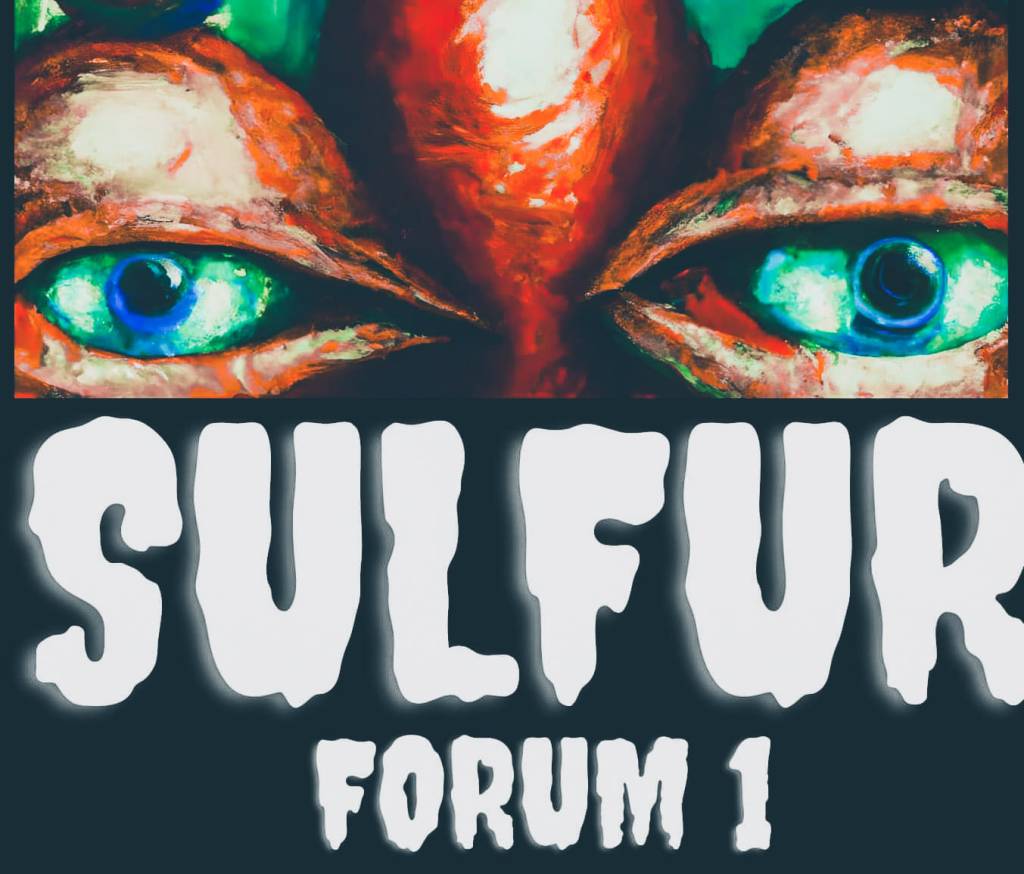
A New Era of Literary Exchange: The Sulfur Initiative and Its Impact on Collaborative Publishing and Translation
The Sulfur Initiative is poised to revolutionise the translation and global dissemination of contemporary Egyptian and Arab literature. By fostering a collaborative creative economy, it aims to dismantle traditional publishing structures and promote a more equitable and sustainable literary landscape. This article will explore the initiative’s objectives, its potential impact on free collaborations between publishing houses and translators, and the overall development it promises for the publishing industry and the translation movement.
Breaking Down Barriers: Expanding the Reach of Egyptian Literature
The initiative’s primary objective is to introduce contemporary Egyptian writers to a global audience through high-quality translations into English, French, and Spanish12. By translating 50 selected works across various genres, including novels, short stories, poetry, theatre, and criticism, the Sulfur Initiative seeks to highlight the diversity of Egyptian writing and elevate its status on the world stage234. This will be achieved through a multifaceted approach that encompasses collaborative translation, cooperative publishing, and global distribution35.
Collaborative Translation: A Network of Shared Expertise
The Sulfur Initiative envisions a network of translators, writers, and editors collaborating on the translation process3. This collaborative approach aims to tap into the collective knowledge and expertise of individuals passionate about Egyptian literature, ensuring high-quality translations that capture the essence of the original works. Workshops and review committees will further enhance the quality and cultural sensitivity of the translations6.
Cooperative Publishing: Empowering Creators and Readers
Challenging traditional publishing norms, the initiative will explore cooperative models for publishing, such as crowdfunding or membership-based platforms57. This empowers authors and artists to retain creative control and reduces reliance on traditional publishing houses that often prioritise profit over artistic merit78. By engaging readers directly in the creation and publication process, the Sulfur Initiative fosters a sense of community and shared ownership over literary works.
Global Distribution: Reaching Readers Worldwide
The Sulfur Initiative aims to ensure widespread accessibility of translated works through both digital and print formats5. Distribution channels will include partnerships with international publishing houses, online bookstores, and physical bookstores in over 120 countries59. This strategy ensures that the translated works reach a diverse and global audience, fostering cross-cultural understanding and appreciation for Egyptian literature.
Benefits for Participants: A More Equitable Literary Landscape
The Sulfur Initiative offers numerous benefits for participating authors, translators, and publishers:
●
Increased Visibility: Exposure to a global audience for Egyptian and Arab literature10.
●
Artistic Control: Greater autonomy in creative decision-making10.
●
Financial Sustainability: Potential for revenue sharing through cooperative models910.
●
Network Building: Opportunities to connect with like-minded individuals and organizations10.
By fostering a collaborative and equitable ecosystem, the Sulfur Initiative aims to create a more sustainable and vibrant literary landscape where diverse voices can be heard and appreciated.
Revolutionising the Publishing Industry and Translation Movement
The Sulfur Initiative represents a significant development in the publishing industry and translation movement. Its emphasis on collaboration, cooperative publishing, and global distribution challenges traditional publishing models and opens up new possibilities for the dissemination of literature. The initiative’s success could pave the way for similar projects focused on translating literature from other underrepresented regions, fostering a more diverse and inclusive global literary landscape.
The Sulfur Initiative’s emphasis on financial transparency and fair compensation for all involved sets a precedent for ethical and sustainable practices in the publishing industry. By ensuring that authors, translators, editors, and designers receive their rightful share of revenue911, the initiative promotes a more equitable distribution of profits and encourages wider participation in the literary ecosystem.
Conclusion: A Vision for the Future of Literature
The Sulfur Initiative is a groundbreaking project with the potential to transform the way Egyptian and Arab literature is translated and shared with the world. By embracing collaboration, innovation, and a commitment to equity, the initiative offers a vision for the future of literature where diverse voices can flourish and connect with readers across borders. The initiative’s long-term impact on the publishing industry and the translation movement remains to be seen, but its bold vision and collaborative approach offer a promising glimpse into a future where literature transcends geographical boundaries and connects people through shared stories and experiences.

 SULFUR EDITIONS
Leave a comment