
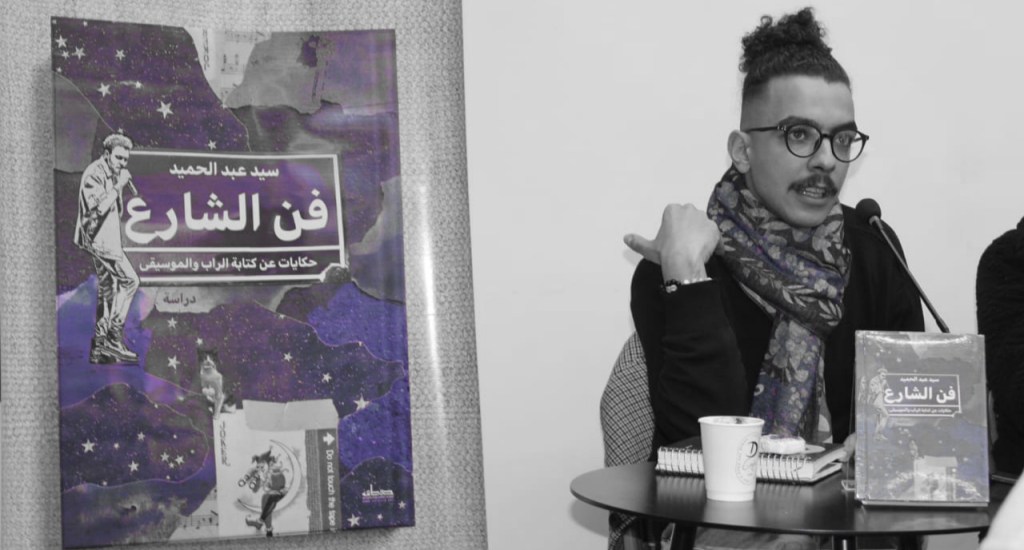
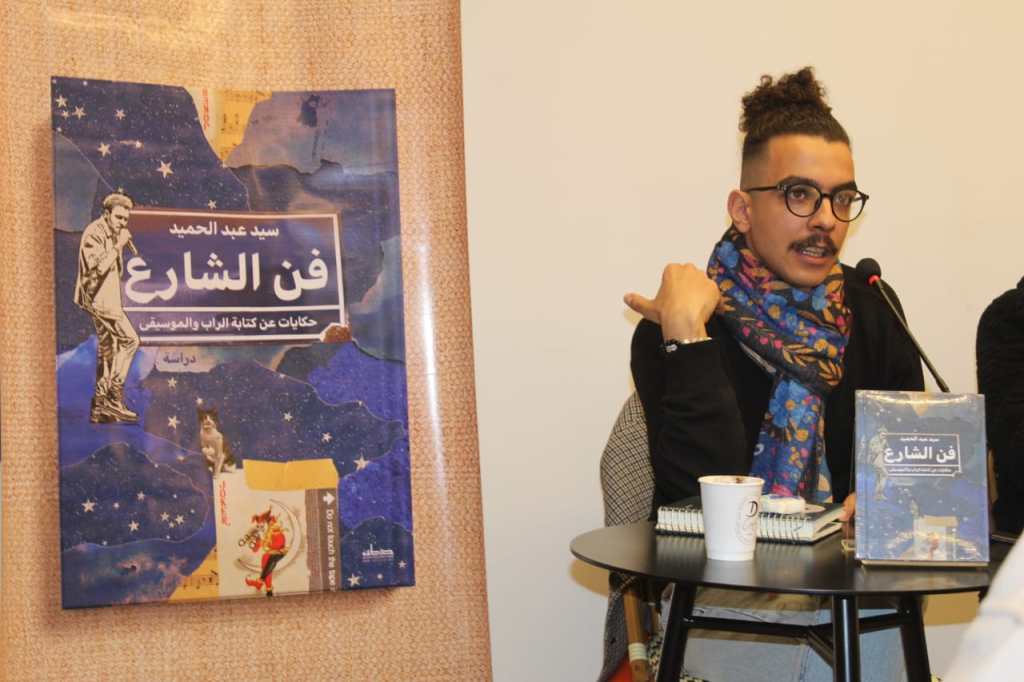
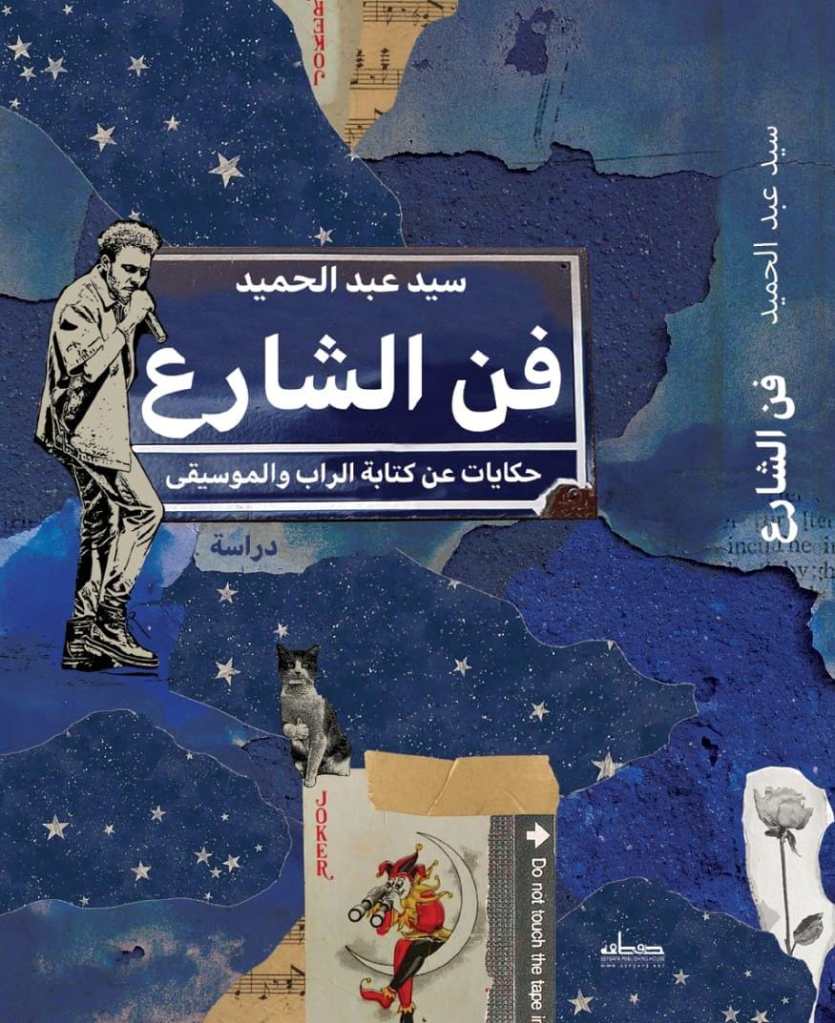
1. Your book, “Street Art,” delves into the fascinating world of Egyptian rap post-revolution. What initially drew you to explore this specific artistic movement, and how did your research process unfold? Did you encounter any surprises or challenges along the way?
I started this book as an article on an Arabic website, which later developed into a detailed project focusing on Egyptian rap on another website. In my writings – and later in my book – I aimed to examine the factors contributing to the genre’s widespread presence on social media, news, and different platforms. I investigated its beginnings in Egypt and highlighted the prominent figures in this community. Throughout this venture, I faced various obstacles due to limited sources and the challenges of scheduling meetings with the busy rappers.
2. “Street Art” goes beyond just music; it explores the relationship between rap and the Egyptian streets. Can you elaborate on how these rappers use their music to reflect and influence the social and political landscape?
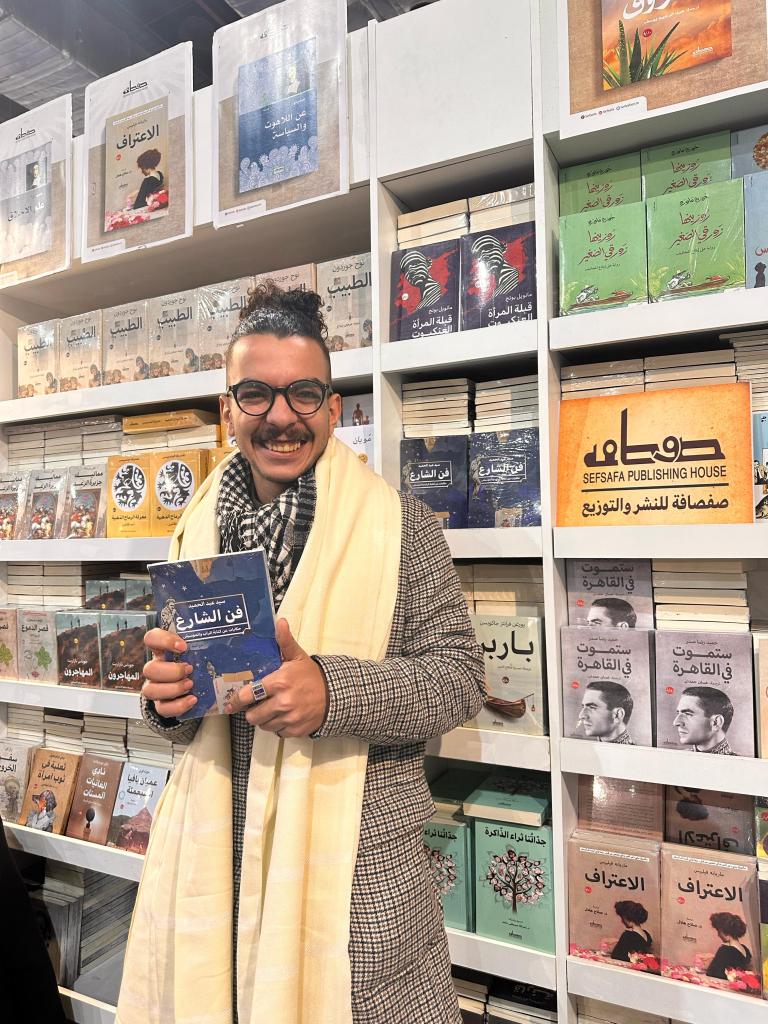
In Egypt, slang and explicit language were frowned upon, hindering the rap scene’s growth until fresher, more diverse themes emerged. Rap gained popularity when it delved into personal issues like love, betrayal, and poverty. Although linked to the Egyptian streets, rap struggled to gain traction amid political shifts post the 2011 revolution, facing challenges in an increasingly closed political environment. Explicit engagement was crucial.
3. “Street Art” highlights the success stories of Egyptian rap artists. Can you share an example of a rapper who has used their art form to overcome obstacles and achieve mainstream recognition? How has their story impacted the scene?
In Egypt, all stories are inspiring, but I prefer to talk about “Abyusif”. I consider him the God of Egyptian rap because he is one of Egypt’s oldest rappers and is highly professional. He has released over 400 songs quickly, mastered all production levels, and mentored aspiring rappers. Abyusif has significantly impacted our music scene, both in production and lyricism, and he continues with the same vigor as when he started.
4. Street Art” delves into the dynamics between Egyptian rap artists. Is there a strong sense of community amongst them, or is there also a competitive spirit? How do these factors contribute to the overall growth of the movement?
Both rappers often support each other, yet they are typically competitors, each striving to be the best and number one. This rivalry is one of the reasons causing delays in the rap scene in Egypt. If they consistently supported each other with the same competitive spirit, all productions would have higher quality and broader reach in the Middle East and globally. However, I believe healthy competition is an integral aspect of rap communities.
– 5. Since the January Revolution in 2011, how has the style and content of Egyptian rap music evolved? Are there recurring themes or messages that resonate with the audience?
Since 2011, Egypt has witnessed significant changes in music, writing, and cinema, with most genres deteriorating except for rap. A new wave of rap known as trap emerged, steering away from political themes to focus on personal struggles and black tragedy. This shift resonated with many as it portrayed a raw depiction of reality that struck a chord with generations. Central themes revolved around identity and self-reflection, offering Egyptian listeners a way to boost their self-esteem and relate to the universal hardships of life.

– 6. As a novelist, and journalist, how do classical Arabic poets in Egypt deal with rap lyrics? Do they reject it? Or do they seek to interact with it?
In Egypt, writers didn’t focus much on rap. Many saw it as slang that one couldn’t be proud of because their favorite singer/rapper used pornographic words. In our close-knit community, many of us can’t handle erotic novels or poetry. I wrote this book to analyze why and where they use this type of writing, to explain why it should be more acceptable, and to compare it with our daily lives. We often use these words without judgment.
7. Tell us about your upcoming projects.
I’m currently working on a new novel and another project focused on the feminine rap scene in Egypt, which I may publish soon.
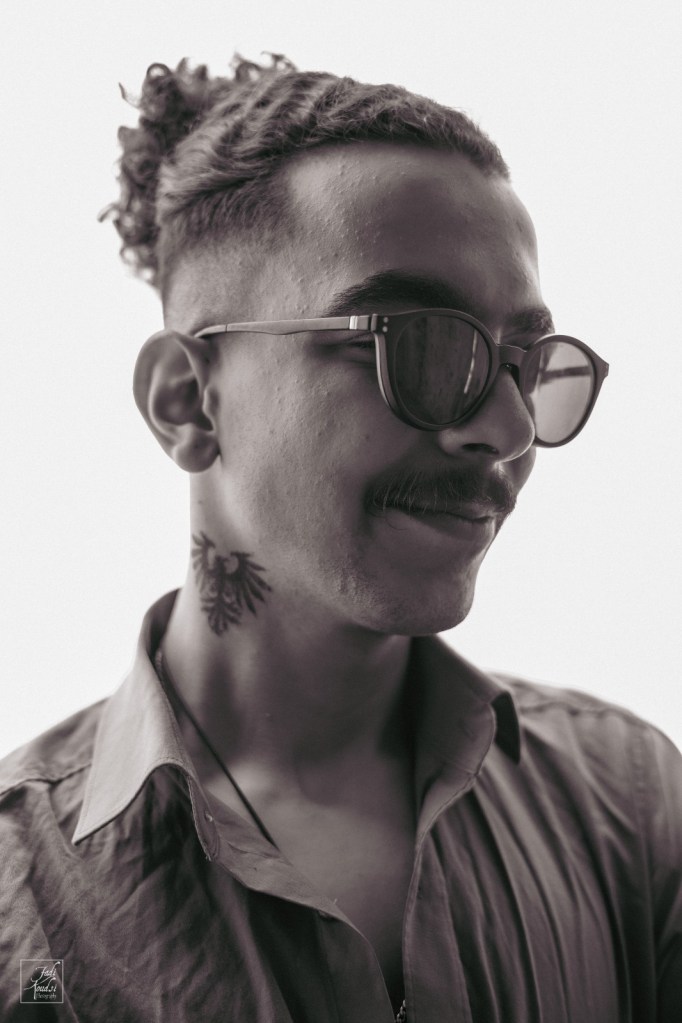
Sayed Abdel Hamid /Egyptian journalist, and researcher. published before novels, short stories, and articles.

 SULFUR EDITIONS
Leave a comment